
Hypertension, commonly known as high blood pressure, is one of the most widespread health issues affecting millions of people worldwide. Often called the “silent killer,” hypertension can quietly damage your heart, arteries, and other organs over time without showing obvious symptoms. Understanding what hypertension is, knowing the blood pressure normal range, and recognizing hypertension symptoms can help you take timely action and prevent severe complications.
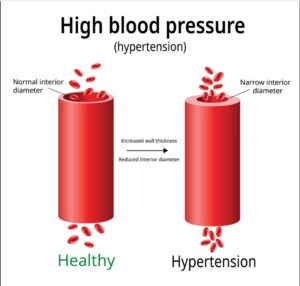
What Is Hypertension?
Hypertension is a medical condition where the force of the blood against your artery walls remains consistently high. Over time, this excessive pressure can lead to serious health issues such as heart disease, kidney damage, or stroke.
Blood pressure is measured using two numbers:
- Systolic pressure (the top number): measures the pressure in your arteries when your heart beats.
- Diastolic pressure (the bottom number): measures the pressure when your heart rests between beats.
A blood pressure chart helps determine whether your readings fall within the normal, elevated, or high range.
Blood Pressure Chart (in mmHg):
- Normal: Below 120/80
- Elevated: 120–129 / less than 80
- High Blood Pressure Stage 1: 130–139 / 80–89
- High Blood Pressure Stage 2: 140 or higher / 90 or higher
- Hypertensive Crisis: Higher than 180/120 (requires immediate medical attention)
If your readings frequently cross into the high range, you may have hypertension and should see a doctor for proper evaluation.
When Should You See a Doctor for High Blood Pressure?
You should consult a doctor if:
1. Your readings are consistently elevated:
If your blood pressure remains above 130/80 mmHg on multiple occasions, it’s time to seek professional advice. Regular monitoring at home can help track your blood pressure patterns.
2. You experience hypertension symptoms:
Although many people with hypertension don’t notice symptoms, some may experience:
- Severe headaches
- Shortness of breath
- Chest pain
- Dizziness or blurred vision
- Nosebleeds
- Fatigue or confusion
These signs indicate that your blood pressure may be dangerously high and require medical assessment.
3. You have risk factors:
People who are overweight, smoke, consume excessive salt, or have a family history of high blood pressure should get their blood pressure checked regularly.
4. You’re pregnant or planning pregnancy:
High blood pressure during pregnancy can be risky for both mother and baby, leading to conditions such as preeclampsia. Regular checkups are crucial.
5. You’re on blood pressure medication but notice side effects:
If your prescribed medication causes dizziness, swelling, or other side effects, your doctor can adjust your dosage or switch medications.
Diagnosis of Hypertension
When you visit your doctor for hypertension evaluation, they will:
- Measure your blood pressure using a sphygmomanometer (digital or manual device). Multiple readings on different days help confirm the diagnosis.
- Review your medical history and ask about lifestyle factors like diet, exercise, and stress.
- Conduct physical and lab tests, such as:
-
- Blood tests to check kidney function
- Cholesterol tests
- ECG or echocardiogram to assess heart health
Your doctor may also recommend home blood pressure monitoring or 24-hour ambulatory monitoring for more accurate results.
Next Steps After Diagnosis
Once diagnosed, your doctor will create a personalized treatment plan that may include:
1. Lifestyle Changes:
Knowing how to lower blood pressure naturally is essential for long-term control. Your doctor may recommend:
- Reducing salt intake
- Eating more fruits, vegetables, and whole grains
- Exercising regularly
- Maintaining a healthy weight
- Managing stress through yoga, meditation, or relaxation techniques
- Limiting alcohol and quitting smoking
2. Medication:
If lifestyle changes aren’t enough, your doctor may prescribe antihypertensive medications like diuretics, ACE inhibitors, or beta-blockers. These help manage blood pressure and reduce the risk of complications.
3. Regular Monitoring:
Track your readings using a home blood pressure monitor and compare them with the blood pressure normal range. Bring your readings to every doctor visit for proper evaluation.
4. Managing Other Health Conditions:
Hypertension often coexists with conditions like diabetes or high cholesterol. Managing these together can significantly improve overall heart health.
Complications of Uncontrolled Hypertension
Ignoring high blood pressure can lead to severe health issues, including:
- Heart attack or stroke
- Kidney failure
- Vision loss
- Memory problems or dementia
- Peripheral artery disease
Early diagnosis and consistent management can prevent these complications and promote a healthier life.
How to Lower Blood Pressure Naturally
Apart from medications, here are some proven ways to lower your blood pressure:
- Eat potassium-rich foods: bananas, spinach, and sweet potatoes.
- Reduce sodium: limit processed foods and avoid adding extra salt.
- Exercise regularly: at least 30 minutes of brisk walking most days.
- Stay hydrated: drink adequate water throughout the day.
- Get quality sleep: aim for 7–8 hours per night.
- Limit caffeine: too much caffeine can temporarily spike blood pressure.
When to Seek Emergency Medical Care
Seek immediate help if your blood pressure exceeds 180/120 mmHg and you experience:
- Chest pain
- Shortness of breath
- Severe headache
- Vision changes
- Numbness or weakness
This condition, known as a hypertensive crisis, requires urgent medical attention.
Conclusion
Understanding what hypertension is and recognizing hypertension symptoms early can make a significant difference in preventing complications. Regular monitoring, healthy lifestyle habits, and timely medical care are essential for keeping your blood pressure within the normal range. If you notice elevated readings or symptoms, don’t delay—consult your doctor promptly to discuss how to lower blood pressure and take the right next steps toward a healthier future.
Frequently Asked Questions (FAQs)
1. What is hypertension?
Hypertension, or high blood pressure, occurs when the force of blood against your artery walls remains consistently high, potentially causing long-term health damage.
2. What is the normal blood pressure range?
A normal reading is below 120/80 mmHg according to the blood pressure chart.
3. What are the common symptoms of hypertension?
Most people don’t experience clear symptoms, but some may have headaches, dizziness, or blurred vision.
4. How often should I check my blood pressure?
Adults should check it at least once every year. If you have hypertension or risk factors, check it more frequently.
5. How can I lower my blood pressure naturally?
Follow a healthy diet, exercise regularly, reduce salt, manage stress, and avoid smoking or excessive alcohol consumption.
Take control of your blood pressure today! Learn effective ways to manage hypertension. Visit our website https://tscmidland.com/adult-care/ or call us at (432) 314-2028 for expert care.