
Immunization has been one of the most effective ways to protect communities from infectious diseases for decades. From newborns to seniors, vaccinations strengthen the immune system and help prevent serious illnesses that once caused widespread harm. Today, immunization is not only about childhood vaccines—it is a lifelong process that safeguards health at every stage of life. Along with allergy immunizations and vaccines for preventable diseases, focusing on overall health practices such as immune boosting foods and lifestyle choices ensures that your immunity stays strong.
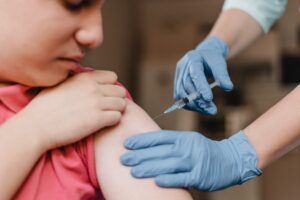
Why Immunization Matters for Your Immune System
Your immune system is your body’s defense mechanism against viruses, bacteria, and harmful pathogens. When you receive an immunization, your body is introduced to a harmless form of a germ—either a dead or weakened version. This triggers the immune system to create antibodies, building memory so it can quickly fight off the real infection if you are exposed in the future.
Without immunization, diseases like measles, polio, influenza, and hepatitis could still pose major threats. Thanks to vaccines, these conditions are largely preventable, making immunizations one of the most reliable medical tools in modern health care.
Immunizations Across Different Life Stages
Immunization is not limited to children; each stage of life brings unique needs:
- Infants & Children: Babies typically receive vaccines for measles, mumps, rubella, polio, diphtheria, and hepatitis. These vaccines are critical because young immune systems are still developing.
- Teenagers: Pre-teens and teens may receive booster shots for tetanus and diphtheria, along with vaccines like HPV and meningitis, which are important for long-term health.
- Adults: Many adults overlook their need for immunizations. Vaccines like flu shots, shingles vaccines, and tetanus boosters are recommended to maintain immunity throughout adulthood.
- Seniors: Older adults are more vulnerable to infections, so immunizations such as pneumonia, shingles, and annual flu vaccines are especially important for keeping their immune system strong.
Allergy Immunizations for a Healthier Lifestyle
Many people struggle with seasonal or environmental allergies that weaken their quality of life. Allergy immunizations, often called allergy shots, work by gradually desensitizing the immune system to allergens like pollen, mold, or dust mites. Over time, these treatments reduce allergic reactions and boost overall immunity, allowing individuals to live more comfortably without constant sneezing, congestion, or watery eyes.
How to Boost Your Immune System Naturally
While immunization provides long-term protection, it is equally important to support your immune system through healthy lifestyle choices. If you’re wondering how to boost your immune system, here are some proven strategies:
- Eat Immune Boosting Foods: Incorporating nutrient-rich foods like citrus fruits, garlic, ginger, leafy greens, yogurt, and almonds helps your body fight infections naturally.
- Stay Active: Regular exercise improves circulation and allows immune cells to move more efficiently throughout the body.
- Get Enough Sleep: A lack of sleep can weaken immunity, making you more prone to illness. Aim for 7–9 hours of quality rest.
- Manage Stress: Chronic stress can suppress immune function. Practicing meditation, yoga, or deep breathing can strengthen immunity.
- Stay Hydrated: Proper hydration keeps your body functioning optimally and supports the immune system’s ability to flush out toxins.
Combining Immunization with Daily Immune Support
Immunization is a foundation for disease prevention, but it works best when combined with everyday healthy habits. By staying up-to-date with vaccines, considering allergy immunizations if needed, and adding immune boosting foods into your diet, you give your body the best chance at maintaining strong immunity. Health is not a one-time achievement; it is a lifelong commitment to protection, prevention, and proactive care.
Final Thoughts
Quick and reliable immunizations protect people at every age, strengthening the immune system and reducing the spread of preventable diseases. When paired with healthy lifestyle choices, allergy immunizations, and a diet rich in immune boosting foods, they ensure long-term immunity and overall wellness. Staying informed, proactive, and consistent with your health decisions is the key to a strong and resilient body at every stage of life.
Frequently Asked Questions (FAQs)
Q1: Why are immunizations necessary if I already have a strong immune system?
Even a strong immune system may not recognize certain dangerous pathogens. Immunizations train your body to identify and fight specific diseases more effectively.
Q2: Are allergy immunizations safe?
Yes, allergy immunizations are generally safe and effective. They are administered under medical supervision to reduce the risk of severe reactions.
Q3: Can immune boosting foods replace vaccines?
No, while immune boosting foods strengthen general immunity, they cannot provide the targeted protection that vaccines do. Both are important for overall health.
Q4: How do I know if I need booster shots as an adult?
Consult with your healthcare provider. Many adults need boosters for tetanus, diphtheria, flu, and shingles to maintain protection.
Q5: What’s the best way to boost my immune system quickly?
While there’s no instant solution, combining healthy sleep, hydration, immune boosting foods, regular activity, and staying up-to-date on immunizations is the most effective way.
Get safe, quick, and effective immunizations—visit our website https://tscmidland.com/pediatric-care/ and call us 432-314-2028 to book your slot!